Mama’s menu
What you’ll cook
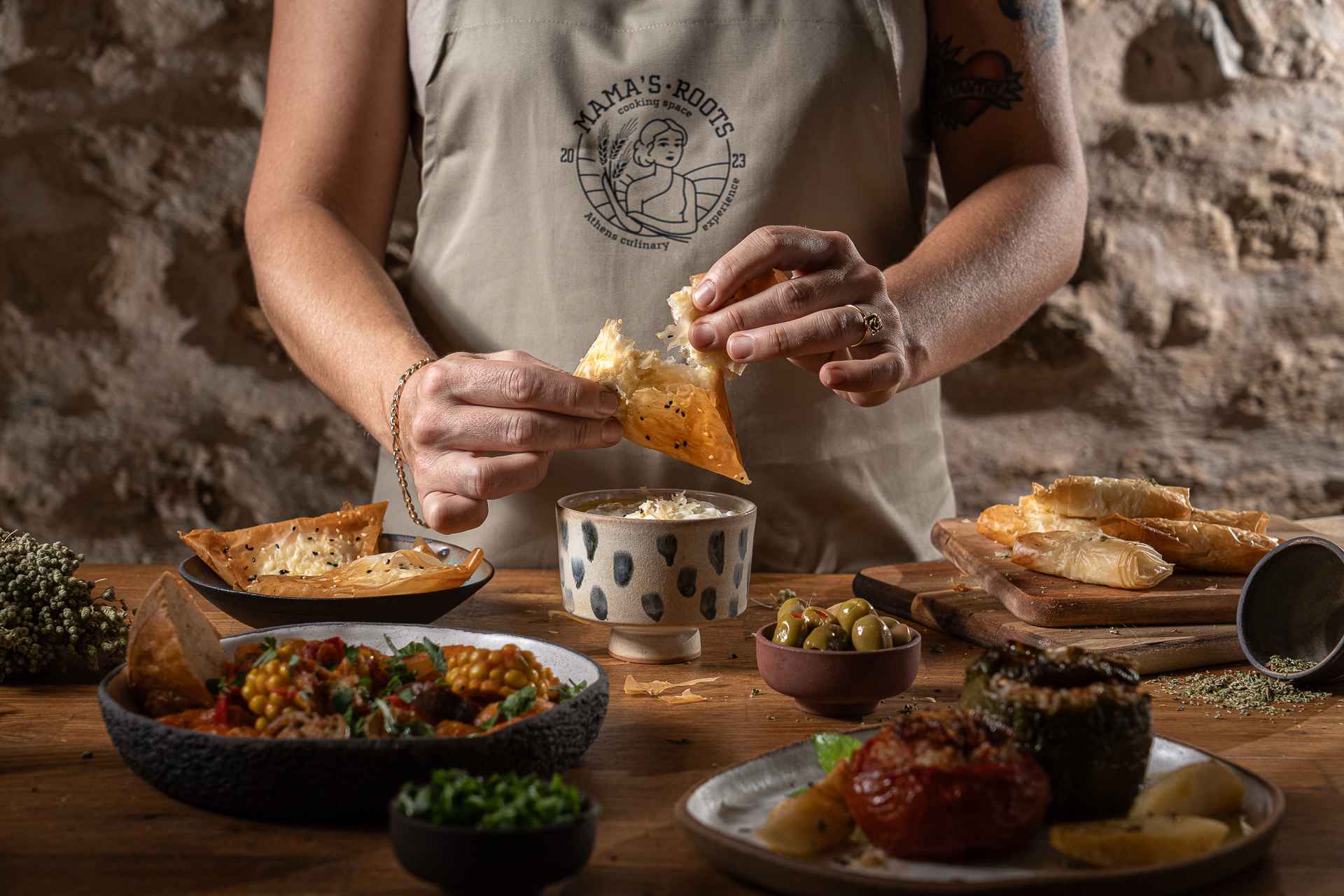
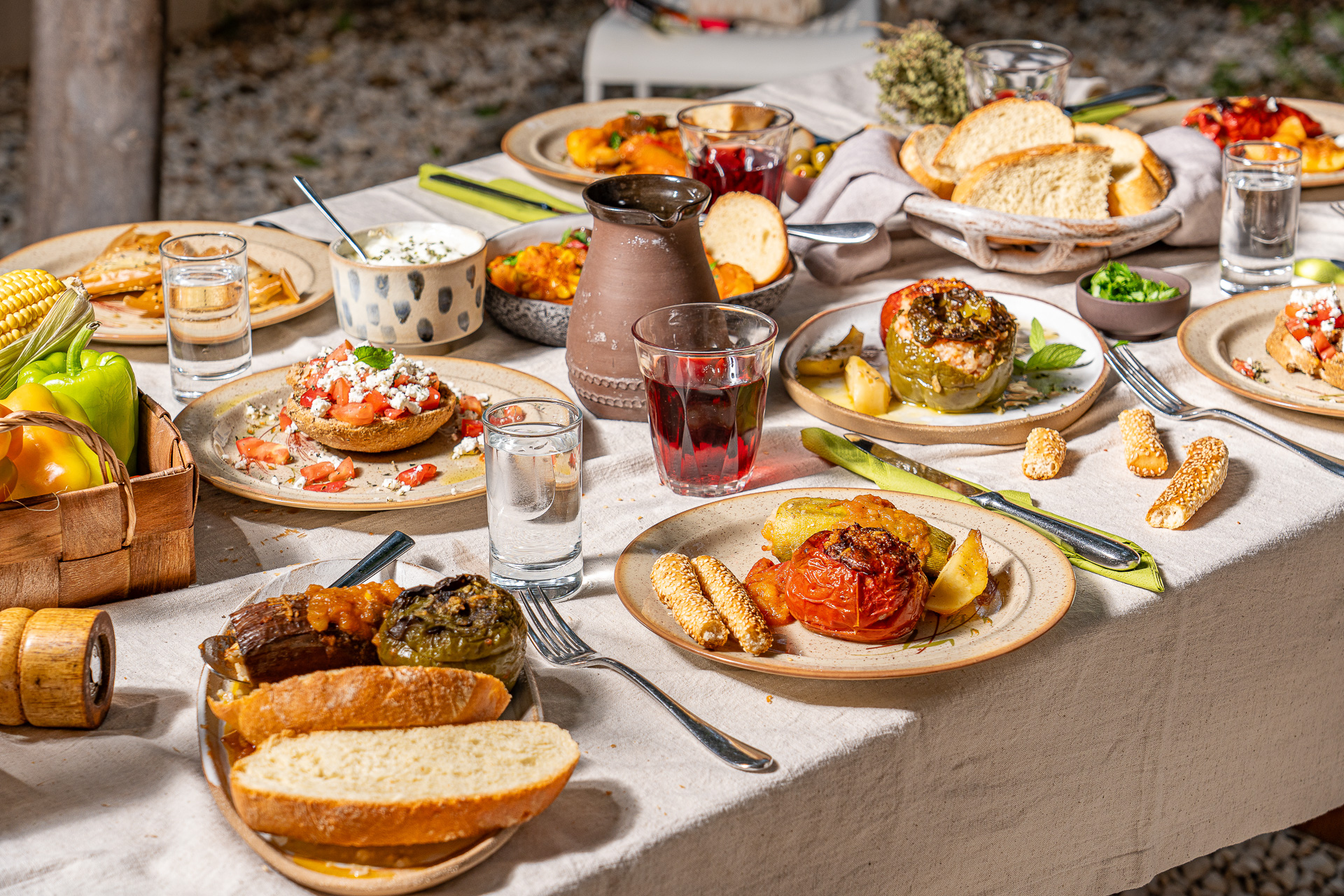
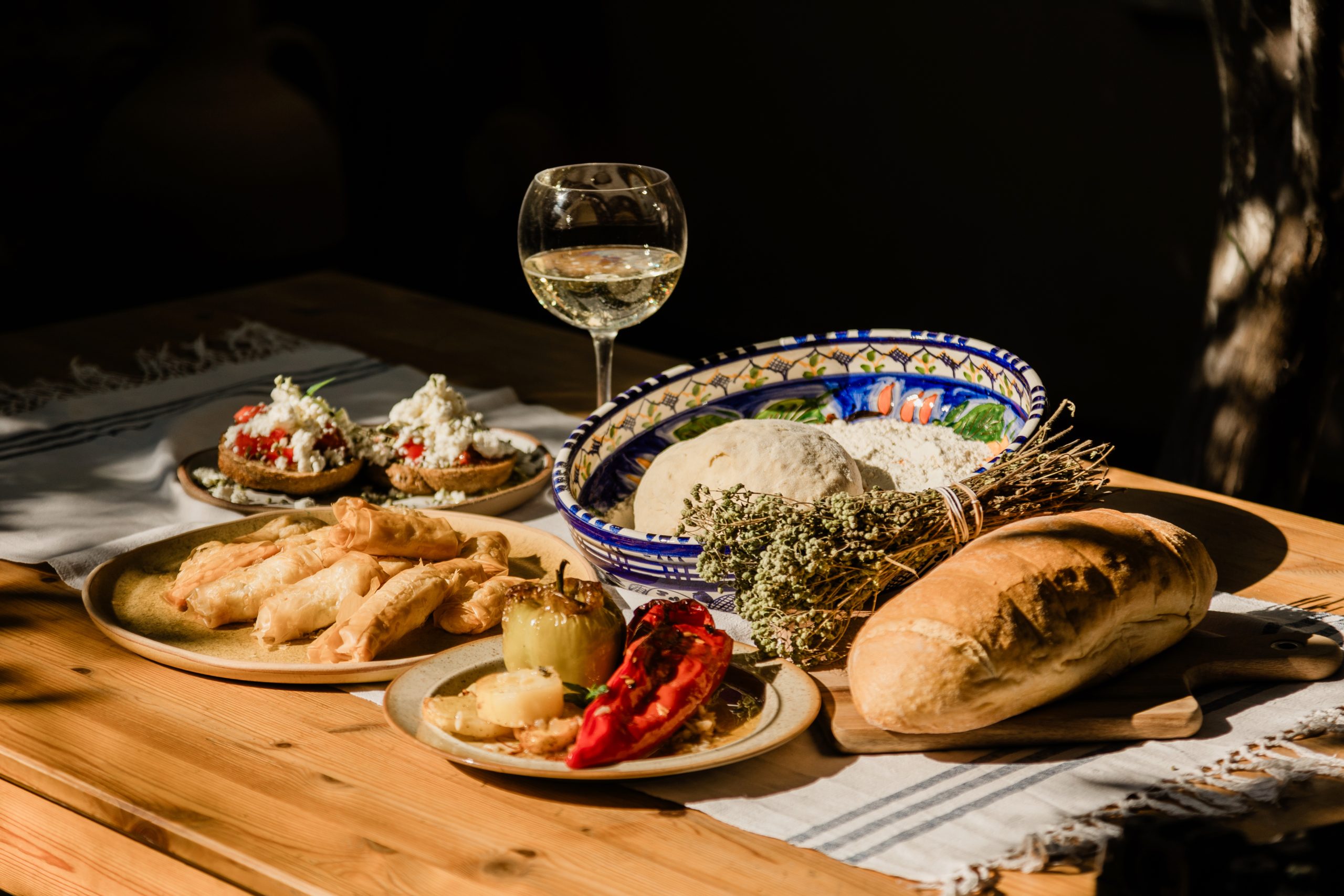
- Yemista: Oven baked tomatoes and peppers stuffed with rice, fresh vegetables, herbs and extra virgin olive oil
- Spinach Cheese Rolls: Crunchy mini pies with feta cheese, fresh spinach and herbs wrapped in phyllo dough and baked in the oven
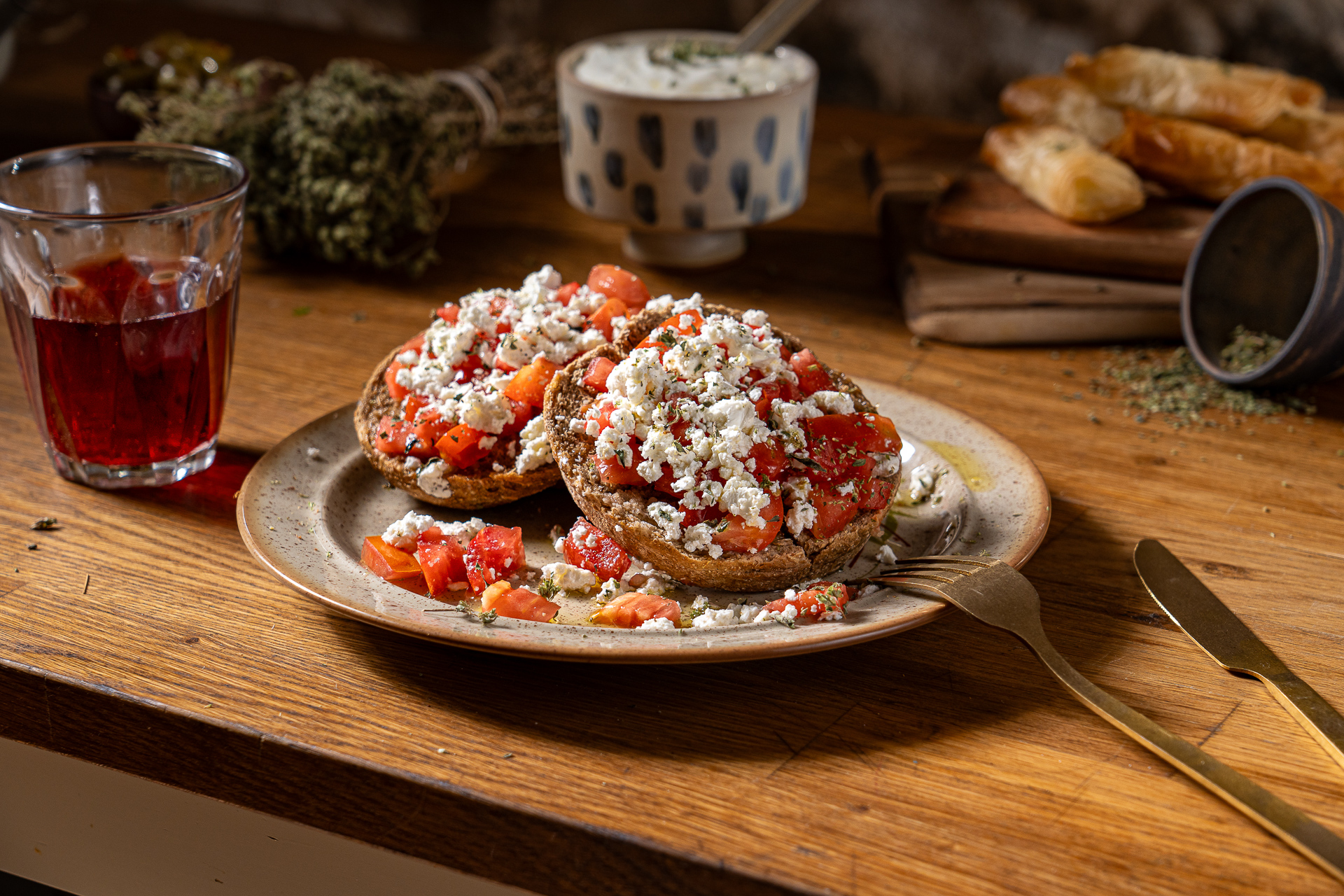
- Cretan Ntakos salad: Crunchy barley rusks soaked in olive oil, diced tomato, capers, oregano and sour mizithra cheese
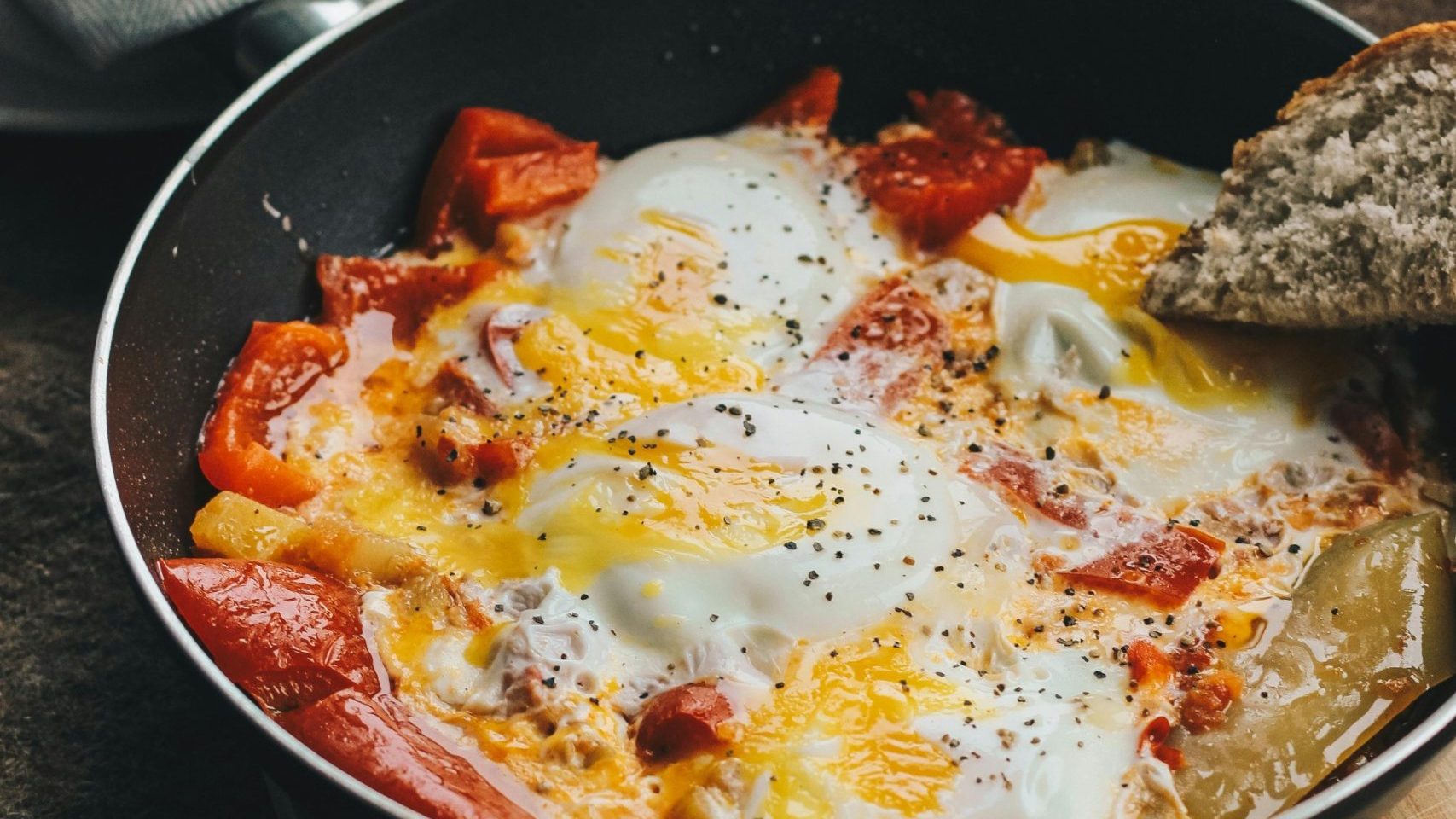
- Kagiana: Greek scrambled eggs, made with grated tomatoes , peppers and feta cheese
- Greek Tzatziki Sauce: A traditional Greek garlic, yogurt, and cucumber sauce
- Loukoumades: Small round doughnuts with honey and cinnamon
Our meal is accompanied by Greek wine from small local producers.
In this Greek food class, you will embark on a culinary journey through the vibrant flavors and rich traditions of Greek cuisine. Learn how to prepare classic dishes such as yemista, tzatziki, and spinach pie, as well as lesser-known delicacies like strapatsada and loukoumades.
Immerse yourself in the Mediterranean ingredients and techniques that define Greek cooking, from the use of olive oil and fresh herbs to the art of slow-roasting and grilling. Discover the importance of communal dining and the philosophy of philoxenia as you delve into the origins and cultural significance of each dish.
Cucina Povera: The "Poor Kitchen" Philosophy in Greece/h3>
Cucina povera, or the "poor kitchen," in Greece shares many similarities with its Italian counterpart but carries unique philosophical underpinnings shaped by Greek culture, history, and culinary traditions. Here's a closer look at its core principles:
- Embrace of Simple Pleasures:Greek cucina povera emphasizes the beauty and satisfaction found in simple, unpretentious meals made from humble ingredients. It celebrates the idea that culinary richness can be found in the straightforward preparation of local, seasonal foods.
- Connection to the Land and Sea:Greece has a strong agricultural and maritime heritage, and cucina povera reflects a deep connection to the land and sea. Traditional Greek dishes often feature locally sourced ingredients such as olive oil, fresh vegetables, seafood, and herbs, fostering a sense of harmony with the natural environment.
- Cultural Heritage and Tradition:Cucina povera in Greece is deeply rooted in centuries-old culinary traditions passed down through generations. These recipes and cooking techniques serve as a link to the past, preserving cultural heritage and reinforcing a sense of identity and continuity within Greek communities.
- Economic Necessity and Resilience:Historically, cucina povera emerged as a response to economic hardship and scarcity, particularly in rural areas of Greece. Despite limited resources, Greek cooks demonstrated remarkable resilience and creativity, finding ways to create flavorful and nourishing meals using whatever ingredients were readily available.
- Spirit of Hospitality:Greek culture places a high value on hospitality and communal dining, and cucina povera reflects this spirit of sharing and generosity. Meals are often prepared with the intention of bringing people together, fostering connections, and creating a sense of warmth and conviviality around the dining table.
- Philosophy of Well-Being:In addition to nourishing the body, cucina povera in Greece is also concerned with nourishing the soul. Many traditional Greek dishes are not only delicious but also believed to have health-promoting properties, incorporating ingredients like olive oil, herbs, and legumes that are associated with longevity and vitality.
Cucina povera in Greece embodies a philosophy of simplicity, sustainability, and cultural continuity, emphasizing the intrinsic value of wholesome, locally sourced foods and the importance of community, tradition, and well-being.
Who is it for?
A culinary class is a group of individuals who are passionate about cooking and exploring the world of gastronomy. They come together to learn various culinary techniques, experiment with different ingredients, and create delicious dishes.
The participants in a culinary class often share a common interest in food and cooking, collaborating with each other to enhance their skills and knowledge. Whether it's mastering the art of baking or perfecting a classic dish, the culinary class is a place where aspiring chefs and food enthusiasts can come together to learn, grow, and enjoy the culinary journey.
Technical requirements
In the culinary class for kids over 6 years old, the use of knives is introduced as an essential skill. Under proper supervision and guidance from trained instructors, children learn to handle knives safely and efficiently. This includes teaching them the correct techniques for holding a knife, the various types of kitchen knives, and the importance of knife safety and care. By familiarizing children with knives at an early age in a controlled environment, they can develop confidence and competence in using this important tool in the kitchen.